The Benefits of Coffee and Dates: Why This Combination Works

When you think of coffee, the mind often drifts to its rich aroma, the comforting warmth of a morning cup, or the boost of energy it delivers. But have you ever considered pairing coffee with dates? This underrated duo isn’t just a treat for your taste buds – it’s a combination packed with health benefits, making it a favourite among health buffs, nutritionists, and coffee enthusiasts alike.

In this post, we’ll explore everything from the nutritional benefits of coffee and dates to creative ways you can enjoy this pairing.

coffee and dates combination

Nutritional Profile: Why Coffee and Dates Make Sense

Coffee: More Than Just a Caffeine Kick

Coffee is often celebrated for its stimulating properties, thanks to its caffeine content, but its health benefits go far beyond just waking you up. Rich in antioxidants such as chlorogenic acids and polyphenols, coffee has been linked to improved brain function, a reduced risk of certain chronic diseases, and even enhanced metabolism. Moderate coffee consumption has been associated with improved cardiovascular health and increased alertness, making it an essential beverage for many health-conscious individuals.

Dates: Nature’s Sweet Energy Bomb

On the other side of the pairing, dates are a nutritional powerhouse. They are naturally sweet, packed with dietary fibre, and provide essential minerals such as potassium, magnesium, and iron. Dates also contain antioxidants like flavonoids and carotenoids, which help fight oxidative stress and inflammation in the body. Unlike refined sugar, the natural sugars in dates provide a steady release of energy, making them ideal for pre-workout fuel or a quick post-lunch pick-me-up.

Coffee and Dates Benefits: The Synergy

Individually, coffee and dates are beneficial. But combined, their effects complement each other beautifully. The caffeine in coffee provides an immediate energy boost, while the natural sugars and fibre in dates prevent the common sugar crash associated with high-sugar snacks. This combination makes coffee and dates a perfect pairing for sustained energy, improved digestion, and antioxidant support.

Nutritional Profile: Why Coffee and Dates Make Sense

Top Health Benefits of Coffee and Dates

A coffee and dates combination isn’t just tasty; it’s a pairing with multiple health perks. Here are some reasons why this duo is gaining attention among nutritionists and coffee lovers alike:

  • Sustained Energy: Coffee provides a quick energy boost, while the natural sugars in dates release slowly into the bloodstream, keeping you energized longer.
  • Rich in Antioxidants: Both coffee and dates are loaded with antioxidants that help combat free radicals, supporting overall health and longevity.
  • Digestive Support: The fibre in dates can aid digestion, which complements coffee’s metabolism-boosting properties.
  • Heart Health: Potassium from dates and the polyphenols in coffee contribute to improved heart function and blood pressure regulation.
  • Mental Clarity: Wouldn’t we all love to have more of that?! The coffee and dates combination supports cognitive function – coffee enhances alertness, while dates provide steady energy for sustained focus.

Whether you’re a fitness enthusiast looking for a pre-workout snack or a nutritionist recommending balanced energy sources to clients, the coffee and dates combination can be a simple yet effective choice.

health benefits

Coffee and Dates Combination: How to Enjoy It

The beauty of coffee and dates is in their versatility. Here are several ways to enjoy this combination:

1. Classic Pairing

The simplest way to enjoy coffee and dates is to enjoy a Medjoul date alongside a freshly brewed cup of coffee. Take a bite of the date between sips of coffee to balance the bitterness of the coffee with the natural sweetness of the date.

2. Coffee with Date Syrup

Date syrup is a natural sweetener that can replace sugar in coffee. Add a teaspoon of date syrup to your black coffee or latte for a caramel-like flavour with nutritional benefits.

3. Stuffed Dates

For a snack that feels indulgent yet healthy, try stuffing dates with nuts or even a sprinkle of cocoa. Pair this with your morning espresso or afternoon cappuccino for a satisfying treat.

4. Coffee and Date Energy Balls

Combine dates, coffee, nuts, and a hint of cocoa powder to make energy balls. This is perfect for a pre-workout snack or a mid-afternoon energy boost.

5. Coffee-Date Smoothie

Blend cold brew coffee with dates, almond milk, and a pinch of cinnamon for a refreshing and energizing smoothie. This makes a great breakfast alternative or post-workout drink.

No matter how you choose to enjoy them, the coffee and dates combination can be adapted to fit your lifestyle, dietary needs, and taste preferences.
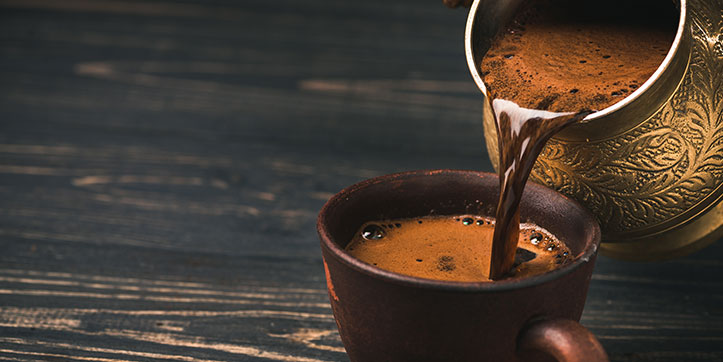
how to enjoy coffee and dates together

Cultural Inspirations for Coffee and Dates Pairing

The coffee and dates combination is not new – it has deep roots in Middle Eastern and Mediterranean cultures. In countries like Saudi Arabia, UAE, and Morocco, it is common to serve dates alongside Arabic coffee during social gatherings and celebrations. Traditionally, dates were used to provide natural energy during fasting periods, and pairing them with coffee enhanced both flavour and nutritional value.

By incorporating this age-old pairing into modern routines, you’re not only enjoying a delicious snack but also connecting with a rich cultural tradition.
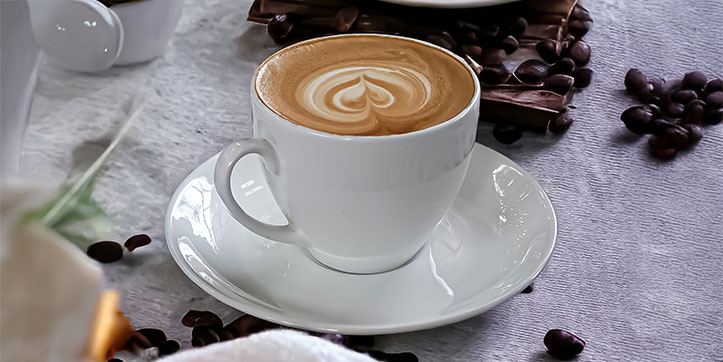
Cultural Inspirations

Tips for Nutritionists and Health Buffs

While coffee and dates are generally healthy, moderation and mindful consumption are key. Here are some tips for making the most of this pairing:

  • Portion Control: Stick to 2-3 dates per serving to enjoy the natural sweetness without overdoing sugar intake.
  • Quality Coffee: Opt for freshly brewed coffee, preferably from quality beans like ours from Assembly Coffee, to maximize antioxidant content.
  • Balance: Pair with other nutrient-rich foods if using as a snack, like nuts or Greek yogurt, for a more complete nutritional profile.
  • Mindful Consumption: Encourage clients or readers to savour the pairing slowly, appreciating both flavour and the subtle energy benefits.

By approaching coffee and dates intentionally, you can harness the benefits while enjoying the rich taste and culture behind this combination.

Conclusion

The coffee and dates combination is more than just a trend. It’s a nutritious, delicious, and versatile pairing that supports energy, digestion, heart health, and mental clarity. Whether you’re a health enthusiast, nutritionist, or coffee lover exploring new flavours, incorporating dates into your coffee routine can elevate your experience and provide sustained health benefits.

Next time you brew your cup of coffee, consider reaching for a few dates. Not only will your taste buds thank you, but your body will too.

Or come by TEAMMC Cycles for an espresso or latte and ask for a box of our delicious medjoul dates.
Can You Take a Bike on the Eurostar? The Complete Guide for Cyclists

For many of us, the dream holiday isn’t sipping a cool drink on a beach – it’s pedalling up Alpine passes, spinning through Belgian cobbled lanes, or rolling into Paris like a Tour de France hero. And if you’re based in the UK, one of the best gateways to mainland Europe is the Eurostar. But that raises a crucial question: can you take a bike on the Eurostar?

The short answer: yes – but the devil’s in the details. Whether you’re travelling with a sleek carbon road bike, a trusty steel tourer, or a folding commuter, the Eurostar has rules you’ll need to know. In this post we’ll cover how to book a bike on Eurostar, what’s the deal with a bike box on Eurostar, costs, folding bike rules, and even how to pack your bike into a Eurostar bike bag.

Grab your multi-tool, because this is the ultimate guide to taking your bike on the Eurostar.

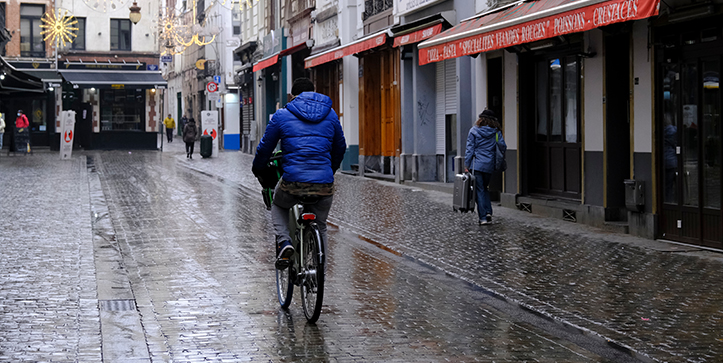
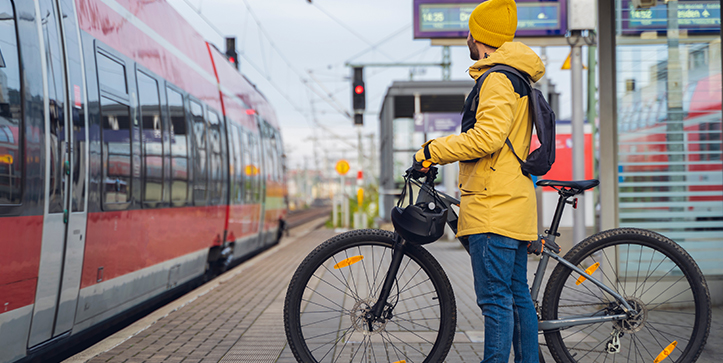
bikes on eurostar

The Basics: Can You Take a Bike on the Eurostar?

Yes, you can. But unlike taking your bike on many UK domestic trains, Eurostar doesn’t let you just wheel it on and park it by the doors. With security checks, tight carriage space, and international rules, Eurostar has a more structured approach.

Here are your options:

  1. Folding bike on the Eurostar – If you can fold your bike down to luggage size (85cm max in length), you can carry it on like a suitcase. Brompton fans rejoice: this is by far the easiest and cheapest option.
  2. Bike in box or bag – If your non-folding bike can fit inside a bike bag or bike box (maximum dimensions 85cm long), you can take it on as part of your luggage allowance. This usually means removing wheels and pedals, and sometimes twisting the handlebars. It’s fiddly, but manageable.
  3. Eurostar registered service – For a full-size bikes, the Eurostar used to run a dedicated bike carriage service where you booked your bike as freight-style luggage. At the time of writing, this service has been restricted or suspended on some routes, so always check Eurostar’s latest policy before you book.

Folding Bike on Eurostar

Let’s start with the easiest case: folding bikes.

Eurostar treats folding bikes like standard luggage as long as they’re within the 85cm length restriction and properly folded. That means you don’t pay anything extra. Just wheel your folded steed through security, stash it in the overhead racks or luggage areas, and you’re good to go.

Pro tip: invest in a lightweight cover or bag for your folding bike. Not only does it keep grease off your fellow passengers’ designer luggage, but it makes your bike look less like… well, a bike. Sometimes staff are more lenient when it looks like a bag.

folding bike on eurostar

How to Book a Bike on the Eurostar

What if you’re not riding a folding bike? In the past, Eurostar allowed passengers to book a bike on Eurostar using their registered luggage service. You’d reserve a space for your bike (assembled or in a larger box) and it would travel separately, often on the same train. The catch was you had to drop it off ahead of departure and collect it at your arrival station.

In recent years, this service has been inconsistent. At times Eurostar has paused bike carriage for full-sized bikes due to carriage space, particularly during busy travel seasons. When it is offered, you’ll need to book your bike in advance as spots are limited. Cost varies but has typically been around £40-£60 one way. So check the offering on your chosen route before you travel. You might be lucky.

Bike Box Eurostar and Eurostar Bike Bag Rules

If you’re willing to partially dismantle your bike, Eurostar’s bike box or bike bag rules are your ticket.

  • Size limit: 85cm max in length (which is basically airline carry-on size).
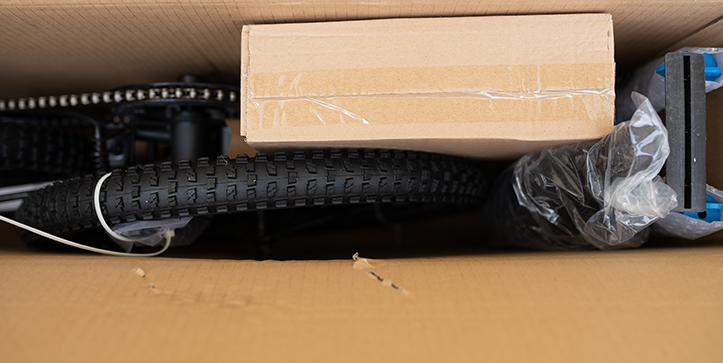
  • Packing: Remove wheels, pedals, maybe handlebars. Slot everything into a padded bike bag or any sturdy travel case.
  • Cost: Included in your standard luggage allowance if it meets the size restriction.

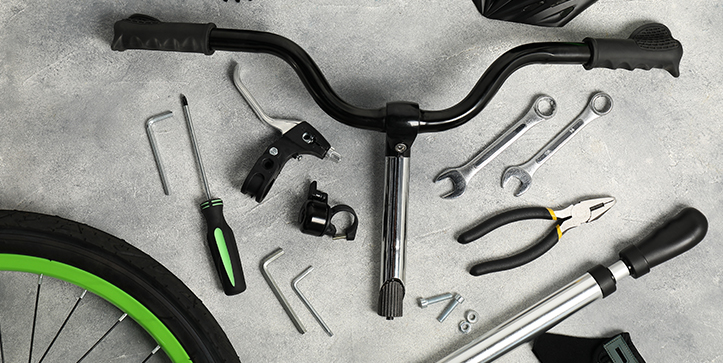
This is by far the most common method for road cyclists and mountain bikers heading to Europe. It requires some mechanical skills (and hex keys), but once packed, your bike is treated like normal luggage.

A few tips:

  • Check if bike boxes are allowed on your route!
  • Use foam pipe insulation or bubble wrap to protect your frame.
  • Pack pedals, skewers, and small parts in labelled bags – losing a pedal in Brussels station is no one’s idea of fun.
  • Don’t overpack: Eurostar staff may challenge you if your “bike bag” looks like it contains an entire bike shop.

book a bike

Cost of Taking a Bike on Eurostar

So, what’s the cost of taking a bike on Eurostar?

  • Folding bike: Free (counts as part of luggage allowance).
  • Bike in bag/box under 85cm: Free (counts as luggage – if allowed).
  • Registered service for full bikes: £40-£60 one way (when available).

Compared to airline fees – where some carriers charge up to £100 per leg – Eurostar can actually be a budget-friendly option, provided you’re willing to bag or fold your bike.

Cost of Taking a Bike on Eurostar

Bike Carriage on Eurostar: Pros and Cons

Pros:

  • No baggage fees if you stick within the 85cm rules.
  • Arrive city-centre to city-centre, perfect for rolling straight into a cycling holiday.
  • Folding bike riders have the easiest experience of any transport option.

Cons:

  • The bike carriage service for full-size bikes isn’t always available. (Check your route.)
  • Packing a bike into a small bag can be time-consuming and a bit stressful.
  • Limited space in luggage racks, especially on busy trains – your lovingly packed bike bag might end up under someone else’s overstuffed suitcase.

Alternatives If Eurostar Bike Carriage Isn’t Available

If Eurostar’s current policy doesn’t allow your full-size bike, don’t despair. You still have options:

One option is to simply hire a bike at your destination. Many cycling hotspots across France, Belgium, and the Netherlands boast top-quality rental fleets, and in some cases this can be far easier than struggling with the logistics of transporting your own machine.

Another solution is to ship your bike ahead of time. Courier services can deliver it directly to your hotel, which is certainly more expensive, but undeniably convenient – you arrive and your bike is already waiting for you.

And then there’s the ferry. While it may not match the speed of the Eurostar, it offers a far more cyclist-friendly approach for those travelling with full-size bikes. You can roll on with your bike, roll off at the other side, and start riding straight away.

Cyclists rolling their bikes onto a ferry, an alternative to the Eurostar.

Packing Checklist for Eurostar Bike Travel

Here’s a quick checklist before you travel:

  • Bike bag or bike box (85cm max for luggage allowance).
  • Allen keys, pedal wrench, and zip ties.
  • Foam padding for the frame.
  • Chain guard or plastic bag to keep grease contained.
  • Travel insurance covering your bike.
  • A photo of your bike (useful for claims if baggage is lost or damaged).

Final Thoughts: Can You Take a Bike on the Eurostar?

So, back to the main question: can you take a bike on the Eurostar? Yes, but it depends on your setup. Folding bikes are welcome, bikes in compact bags/boxes are treated as standard luggage, and full-size bikes may need to use Eurostar’s registered service (when available).

The key is preparation: book your bike on Eurostar in advance if needed, pack carefully, and know the size restrictions for a bike box or bike bag. The cost can be free or up to £60, but even at the high end it’s often cheaper and less stressful than flying.

Cycling holidays start the moment you leave the station, and arriving in Paris, Brussels, or Amsterdam with your bike ready to roll is one of life’s great joys. Whether you’re heading for Flanders cobbles, French cols, or just a scenic café ride, a bit of planning makes taking your bike on Eurostar smooth and painless.


Because let’s be honest – no matter how many watts you can push, the hardest part of any cycling trip is always logistics.

Happy Cycling!

What to Wear Cycling in Winter: The Ultimate Guide to Stay Warm & Comfortable

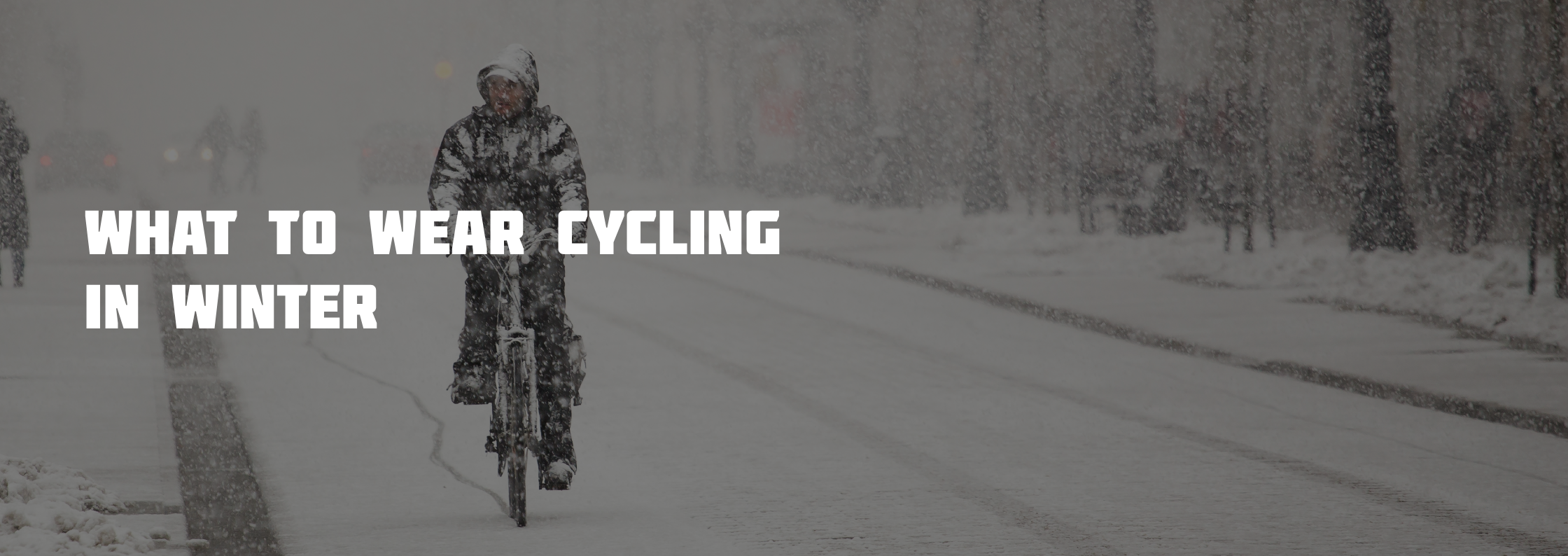
When the temperature drops and daylight disappears faster than you can say “one more lap,” it’s tempting to put the bike away and hibernate until spring. No! Not you! Not us! Because cycling in winter can be one of the most rewarding experiences you’ll have on two wheels. The roads are quieter, the air feels fresher, and there’s something strangely satisfying about braving the elements while others stay indoors.

The key to enjoying it? Knowing what to wear cycling in winter so you stay warm, comfortable, and motivated to get out there. Get this wrong and you risk numb fingers, frozen toes, and a ride that feels more like punishment than pleasure. Get it right, and cycling in winter becomes a highlight of your riding year.

Here’s everything you need to know about what to wear cycling in winter – from layering like a pro to keeping your extremities warm – plus a few cheeky tips from the crew here at TEAMMC Cycles.

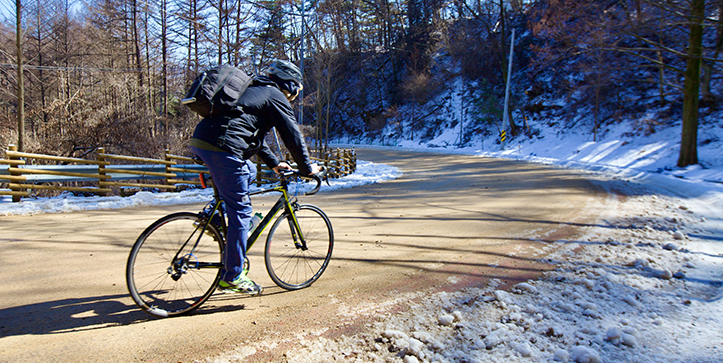
What to wear cycling in winter when it gets cold

Why Winter Cycling Gear Matters

Riding in winter is a different beast. You’re battling colder temperatures, windchill, rain (or snow if you’re lucky!), and shorter days. Without the right gear, you might find yourself shivering before you’ve even clipped in.

A proper winter kit makes all the difference: it keeps your core temperature stable, protects you from wind and rain, and wicks away sweat so you don’t overheat and then freeze. Think of it as your armour for cold-weather adventures – only much lighter and a lot more breathable.

Mastering the Layering System

The golden rule for what to wear cycling in winter? Layers, layers, layers. Instead of throwing on the thickest jacket you own, build up layers that work together to keep you warm and dry.

Base Layer – Your first line of defence. This should sit snug against your skin and wick sweat away as you ride. Merino wool or technical synthetics are ideal. Avoid cotton – once it’s wet, it stays wet, and nobody likes that clammy feeling halfway through a ride.

Mid Layer – This is where you trap the heat. A long-sleeve thermal jersey or fleece-lined top works brilliantly. If the sun peeks out and you start to overheat, you can unzip or peel this layer off.

Outer Layer – Your shield against the elements. A windproof and waterproof jacket is non-negotiable. Look for one with good breathability so you don’t end up feeling like a boil-in-the-bag dinner. Bonus points if it has reflective elements to keep you visible on those dusky commutes.

PRO TIP: if you feel perfectly warm before you set off, you’re probably overdressed. You should feel slightly chilly when you roll out – you’ll warm up within the first 10 minutes.

Why Winter Cycling Gear Matters

Hands, Feet & Head – The Big Three

Your core might be warm, but if your fingers are numb and you can’t shift gears, you’re not going to enjoy the ride. Pay special attention to your extremities.

Hands: A good pair of winter cycling gloves is worth its weight in gold. Look for windproof and water-resistant fabric with just enough padding for comfort. Some riders double up with a liner glove on really cold days – and yes, it makes you look like you’re about to handle radioactive materials, but your fingers will thank you.

Feet: Cold toes are the stuff of winter riding nightmares. Thermal socks are well worth wearing cycling in winter, and overshoes (neoprene booties that slip over your cycling shoes) are a game-changer. They keep wind and water out, and some even add reflective detailing for visibility.

Head & Neck: Around 40% of body heat escapes through your head. A thin thermal skull cap or merino cap under your helmet works wonders. Add a neck warmer to protect your face on frosty mornings – you can pull it up over your mouth when the wind really bites.


Visibility & Safety

With shorter days, you’re more likely to be riding in low light, so being seen is just as important as staying warm.

Invest in a good set of front and rear lights – ideally rechargeable ones with a daytime flash mode. High-vis gilets, reflective strips, and ankle bands make a big difference in making sure drivers see you.

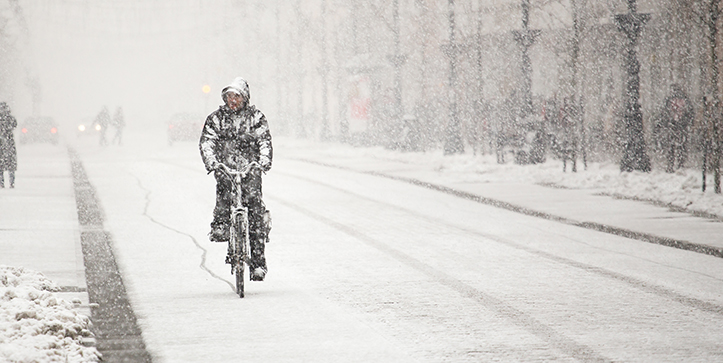
Visibility & Safety when cycling in winter

Accessories & Extra Tips

Knowing about what to wear cycling in winter is all about the small comforts that add up. Here are a few extras that can make your ride so much more enjoyable:

  • Arm & Leg Warmers: Perfect for those “in-between” days when it’s too warm for full winter kit but too chilly to go bare.
  • Waterproof Saddlebag: Keep your tools, snacks, and spares dry. There’s nothing worse than pulling out a soggy cereal bar.
  • Hydration: Just because it’s cold doesn’t mean you’re not sweating. Keep drinking.
  • Mid-Ride Layer: Pack an extra gilet or jacket for café stops. There’s nothing worse than cooling down and then shivering through the ride home.

Wrapping Up when you cycle in winter

Wrapping Up

Cycling in winter doesn’t have to be miserable. With the right kit – and a bit of grit – it can be some of the most fun you’ll have all year. The secret is simple: know what to wear cycling in winter:

  1. Dress in layers
  2. Protect your extremities
  3. And make sure you’re visible.

Ready to get riding? Pop into TEAMMC Cycles, and grab a hot cup of coffee on your way out or back. We’re just off Commercial Road in Whitechapel, London. We’d love to see you and hear all about your ride.