How to Be a Faster Cyclist: Pro-Level Strategies for Serious Riders
For avid cyclists, the pursuit of speed isn’t just about ego. It’s about pushing limits, chasing PRs, and finding joy in the flow of a fast, efficient ride. But when you’re already riding regularly, putting in the miles, and familiar with the basics, it can feel like gains get harder to come by.
So, how do you break through that plateau? This isn’t a beginner’s guide to pedalling harder. It’s about mastering the detail – the training, technique, equipment, and mindset – that separate strong riders from fast ones.
In this post, we’ll unpack proven, pro-level strategies on how to be a faster cyclist, helping you squeeze every watt out of your body and bike.
Refine Your Training Plan
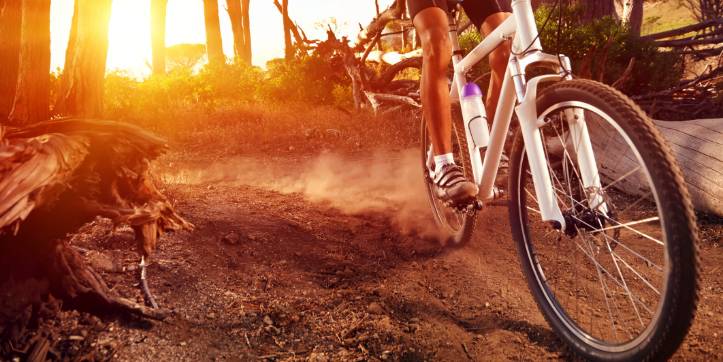
No amount of aero wheels or expensive carbon frames can teach you how to be a faster cyclist if you have a poorly structured training program. To truly get faster, you need a plan that balances volume, intensity, and recovery.
Periodization: Train Smart, Not Just Hard
Break your training year into blocks:
- Base: Build aerobic endurance with steady, long rides.
- Build: Introduce higher intensities with sweet spot and threshold work.
- Peak: Sharpen with VO₂ max and anaerobic intervals.
- Recovery: Reduce volume and intensity to absorb training stress.
This structure prevents burnout and ensures you’re building fitness progressively.
Use Power Data to Target Weaknesses
If you’re not training with a power meter yet, it’s worth considering. Functional Threshold Power (FTP) testing gives you a benchmark to structure sessions. Focused interval sessions – like 5×5 minutes at 110% FTP with equal rest – are gold for improving sustained speed.
When it comes to how to ride a bike faster, remember: smart, consistent training is the foundation.
Master Aerodynamics
At speed, air resistance is your biggest enemy. Reducing drag by even a small percentage can lead to significant gains.
Perfect Your Position
Aero gains start with your body:
- Lower your torso without closing off your hip angle too much.
- Keep elbows tucked and forearms horizontal.
- Relax your shoulders to avoid excess tension and wasted energy.
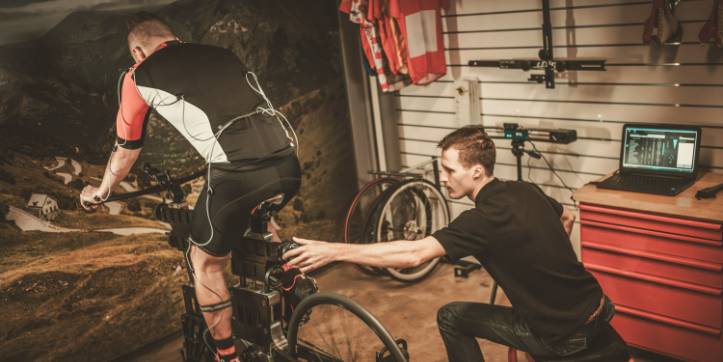
In order to be a faster cyclist, consider a professional bike fit that balances aerodynamics and comfort. You’re only fast if you can hold the position for long periods.
Gear and Clothing
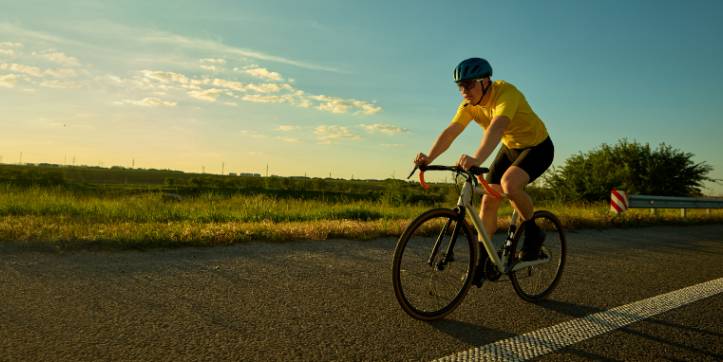
- Aero helmets, close-fitting jerseys, and skinsuits can shave seconds off your times.
- Deep-section wheels and aero frames help, but only after your position is dialled in.
Remember: the most cost-effective aero upgrade is adjusting how you ride.
Optimize Your Equipment
Your bike doesn’t need to be the most expensive on the road, but small changes can make a big difference.
Rolling Resistance Matters
- Switch to high-quality tires with low rolling resistance.
- Keep tire pressure optimal – too high increases rolling resistance and reduces comfort.
Drivetrain Efficiency
A clean, well-lubricated chain can save you watts. Consider waxing your chain for maximum efficiency and longevity.
Marginal Gains
- Ceramic bearings, upgraded cables, and even aero bottle cages all add up.
- Electronic shifting offers crisp, reliable gear changes under load, saving mental energy for pacing and tactics.
TEAMMC Cycles can help you with any upgrades. Just come by or give us a call and have a chat with us.

Enhance Your Technique
Power alone doesn’t make fast. Speed comes from riding smarter – maximizing efficiency and conserving energy through better technique. Even seasoned cyclists can be a faster cyclist by refining the fundamentals of bike handling and pacing.
Corner Like a Pro
Poor cornering wastes energy and momentum. To carry more speed safely:
Brake early, not late: Scrub off speed before entering the turn so you can focus on line choice and exit speed.
Choose your line wisely: Enter wide, apex tight, and exit wide to straighten the turn as much as possible.
Body positioning matters: Keep your outside pedal down with weight pressing through it, lower your centre of gravity, and lean the bike underneath you while keeping your torso stable.
Eyes up and ahead: Look through the corner to where you want to go. Your bike will naturally follow.
Practice cornering in a controlled environment to build confidence and instinct. The more relaxed you are, the faster you’ll flow through technical sections.
Smooth Pedalling
Choppy pedalling wastes watts. Aim for a fluid, round pedal stroke and maintain an efficient cadence – generally between 90-100 rpm for endurance riding. Too high a cadence burns energy unnecessarily; too low strains muscles. Use drills like single-leg pedalling on the trainer to iron out dead spots in your stroke.
Ride Smart in a Group
Drafting can save up to 30% of your energy. In a group:
- Stay close to the wheel in front (but don’t overlap wheels).
- Ride predictably – no sudden braking or swerving.
- Take smooth, short turns on the front before rotating off to avoid overexertion.
- Learn echelon formation for crosswinds to maintain shelter and speed.
Descend with Confidence
Many cyclists lose valuable seconds on descents. Build confidence by practicing proper descending technique:
- Lower your torso to reduce drag.
- Keep your weight slightly back, arms loose, and look far ahead.
- Modulate your brakes instead of grabbing them – smooth braking maintains control and speed.
Every improvement in technique means you’re not just working harder – you’re working smarter to be a faster cyclist. Over time, these habits become second nature, turning technical sections into opportunities to gain time on your rivals.
Fuel Your Speed
Your legs might be the engine, but your fuelling strategy is the fuel injection system – and if it’s off, your performance suffers. Even among experienced cyclists, poor nutrition is one of the most common reasons for fading late in rides or struggling to hit target power in training. To sustain speed and maximize gains, you need to fuel with precision before, during, and after your rides.
Pre-Ride Nutrition: Prime Your Engine
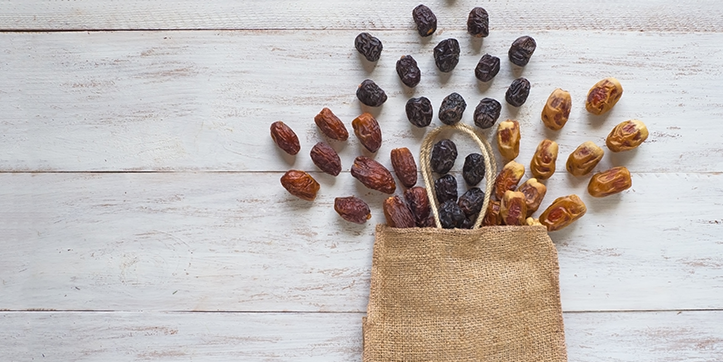
Start by priming your body well before you clip in. Carbohydrates remain the most effective high-octane fuel for intense efforts. Eating a balanced, carb-rich meal two to three hours before a ride ensures your glycogen stores are fully topped up. A breakfast like porridge with banana and honey, or wholegrain toast with nut butter and a side of protein, sets the foundation for a strong performance. If time is short, a smaller snack – such as an energy bar or piece of fruit – 30 to 60 minutes before the ride can provide a last-minute glucose boost. Hydration starts here too; drinking 500 to 750 millilitres of water with added electrolytes helps you avoid setting off in a depleted state.
During the Ride: Stay Ahead of the Bonk
On the bike, staying ahead of the dreaded bonk requires consistent energy intake. For rides lasting longer than 90 minutes, aim for 60 to 90 grams of carbohydrate per hour. This can be achieved through energy gels, isotonic drinks, and small, easily digestible snacks. Many cyclists make the mistake of eating only when hunger strikes, but by then the damage is already done. Set a mental timer and take small amounts of fuel every 15 to 20 minutes to keep your energy levels stable and your power output consistent.
Hydration: Small Deficits Hurt Speed
Even mild dehydration (~2% body weight loss) can reduce your power output noticeably. Sip consistently, aiming for 500–750ml per hour, adjusting for heat and intensity. Include electrolytes, especially on hot days, to replace lost sodium and prevent cramping.
Post-Ride: Recover to Ride a Bike Faster Next Time
To support recovery and adapt to training stress, refuel within 30 minutes of finishing. A 3:1 ratio of carbs to protein is ideal – think chocolate milk, a smoothie, or recovery shake. This helps replenish glycogen and repair muscle damage, setting you up for your next session.
To be a faster cyclist, nail your fuelling strategy, and you’ll feel the difference – not just in endurance but in how fast you can push on the pedals hour after hour.
Develop a Winning Mindset
Speed isn’t just physical – it’s mental. The ability to suffer, focus, and stay motivated is what keeps pros at the top.
- Use visualization techniques to rehearse tough efforts.
- Break rides into manageable chunks to avoid being overwhelmed.
- Set process goals (e.g., “hold 95rpm on climbs”) rather than outcome goals to stay focused.
As much as anything, mental resilience helps you push when your legs say no.
How Can TEAMMC Cycles Help You Ride A Bike Faster?
At TEAMMC Cycles, we know that speed isn’t just about the hours you put in. It’s about the environment you ride in and the support you have along the way. Our team can help you unlock your next level of performance in several ways.
First, our workshop offers expert mechanical upgrades and precision servicing to ensure your bike runs as efficiently as your legs. From fine-tuning drivetrains for optimal power transfer to fitting aerodynamic components, we can help you extract every possible watt.
Beyond the bike, the strength of our community makes a huge difference. Training alongside experienced, strong riders gives you the chance to push your limits, learn race craft, and discover new levels of endurance. Our regular group rides and training events are designed to challenge and motivate, whether you’re chasing a personal best or preparing for competition.
Being part of TEAMMC means more than just riding. It’s about surrounding yourself with people who share your passion and will pull you along, literally and figuratively, toward your fastest self.
Conclusion: Small Changes, Big Speed
Becoming a faster cyclist isn’t about a single magic bullet – it’s about stacking small, deliberate changes. From training smarter to riding more efficiently and investing in the right gear, every tweak adds up to significant speed over time.
So, what’s your next step? Will you work on your aero position? Refine your fuelling? Or finally commit to a structured interval plan?
Whatever you choose, remember: speed rewards consistency and attention to detail.
Quick Recap: 7 Steps How to Ride A Bike Faster
- Structured training with periodization
- Aero position and gear tweaks
- Smart equipment upgrades
- Mastering cornering and drafting
- Dialled-in nutrition and hydration
- Mental toughness and focus
- Consistent application of marginal gains