Capital Ring Cycling Route: Yes There Is One

You know about this green belt around London, and you want to cycle it? Welcome to the Capital Ring cycling route, the unsung hero of circular rides that gives you woods, waterways, and wide-open spaces, all without ever truly leaving the city. Sure, it was designed for walkers, but cyclists? We’ve found a way in.

In this post, we’ll break down what makes the Capital Ring so special, how (and where) you can ride it, and why it might be the perfect Sunday mission. Let’s get rolling.
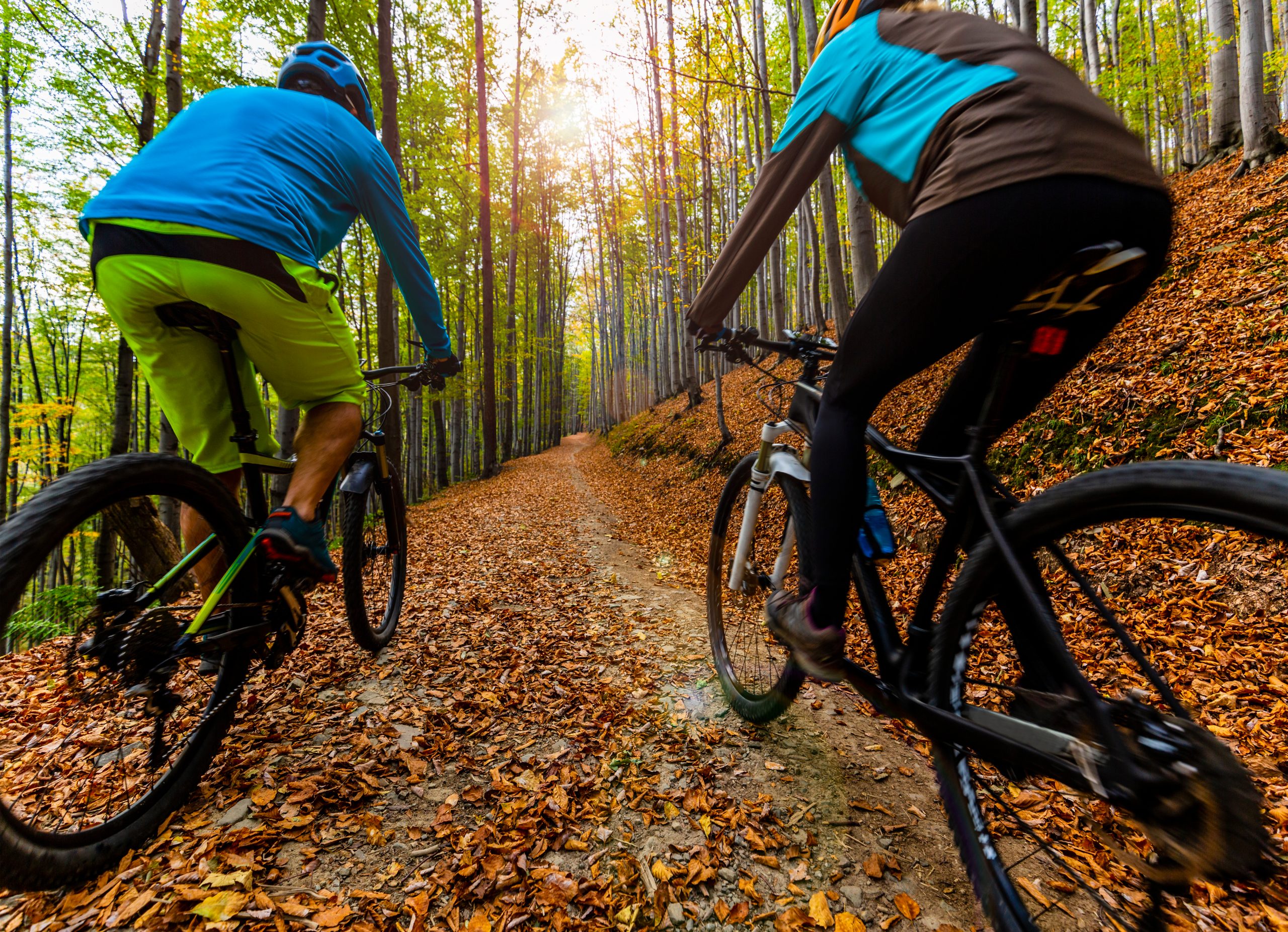
Cycling around london

What Is the Capital Ring Cycling Route?

The Capital Ring cycling route is roughly an 81-mile (about 130 km) loop around London, originally created for walkers in mind. It connects green parks, canal paths, woods, and hidden corners of the city in one big scenic necklace. While it wasn’t purpose-built for cycling, much of it is rideable – with a few tweaks and gentle detours.

Can You Actually Cycle the Capital Ring?

Short answer: Yes – with a bit of creativity. The official route was made for walkers, which means you’ll encounter a few stairs, tight footbridges, and the occasional muddy footpath. But cyclists have mapped out slightly alternative versions using adjacent roads, towpaths, and cycle lanes.

Many sections are blissfully quiet, rideable and safe – especially with a gravel, hybrid, or mountain bike. Just keep a GPX file handy (the Capital Ring signage is… optimistic) and be prepared to dismount occasionally if the way narrows.

Capital Ring Cycling Route

How Long Is the Capital Ring Cycling Route and How Long Does It Take?

The walking route is 78 miles (125 km). The cycling route (thanks to a few detours) is around 81 miles (130 km). Depending on your fitness level, it can take anywhere from 6 to 10 hours to cycle the full loop. It’s doable in a day for ambitious riders, or you can split it into two or three segments for a more leisurely ride.

Add a few hours if you’re the type to stop for coffee, cake, photos, or deer-spotting in Richmond Park. (Highly recommended.) You won’t believe the beautiful corners of London you’ll pass.

Route Overview: A Loop Through London’s Greenest Bits

Here’s a short breakdown of the route, going clockwise from Woolwich:

South East: Woolwich to Crystal Palace

  • Start with riverside views and old industrial charm.
  • Enjoy Shooters Hill (yes, it’s a climb) and Oxleas Wood.

South West: Crystal Palace to Richmond

  • Meander through Dulwich Wood, Wimbledon Common, and follow the Wandle Trail.
  • Hilly but rewarding.
  • Deer to spot in Richmond Park if you’re lucky.

West & North West: Richmond to Greenford

  • Thames towpaths, and quieter roads through Brentford and Perivale.

North: Greenford to Highgate

  • Ride canal-side along the Grand Union.
  • Pass through Harrow-on-the-Hill and glimpse some of London’s highest points.

East: Highgate to Woolwich

  • Cruise through Finsbury Park, admire Ally Pally, and follow the Greenway Walk.
  • The Greenway section, especially on an early Sunday morning, is an underrated gem – absolutely empty, peaceful, and perfect for cruising.

richmond park cycling route

Best Parts of the Capital Ring Cycling Route

Some parts of the Capital Ring bike route are simply more cycle-friendly than others. If you want to explore just bits here and there, these stretches are particularly rideable:

  • Richmond to Wimbledon: Smooth paths, parkland, and cafes galore.
  • The Greenway (East London): Like having your own private bike lane through the city.
  • Grand Union Canal: Flat, tranquil, and good for clocking easy miles.
  • Woolwich to Crystal Palace: A solid workout with big green payoffs.

Exploring these highlights gives you a great mix of terrain – without committing to the whole 81 miles (unless you’re that kind of hero).
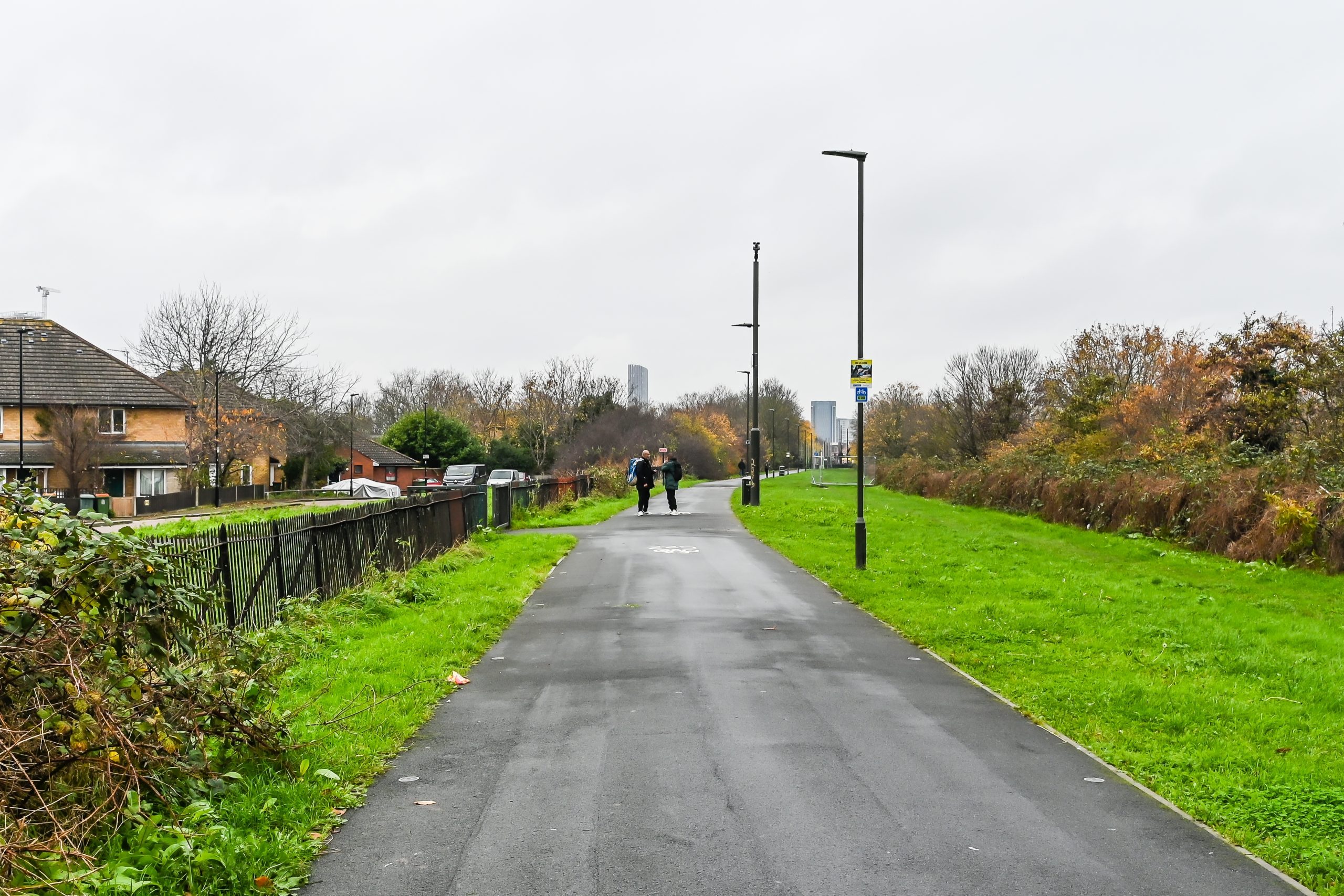
The Greenway bike lane in East London

Tips for Cycling the Capital Ring Like a Pro

Cycling the Capital Ring like a pro isn’t about speed. It’s about being smart, prepared, and rolling with London’s unpredictability.

  1. Start by getting familiar with the route. The Capital Ring isn’t a dedicated cycle path; it’s a blend of quiet roads, parks, canal towpaths, and the occasional dodgy staircase. Signs can be tricky to spot, especially if you’re on the bike. Navigation apps are your best friend. They’ll remove much of the navigational frustration.
    Check out the route on Komoot.
  2. Tyre choice matters. A hybrid or gravel bike handles the mix of tarmac, gravel, and muddy woodland far better than skinny road tyres.
  3. Don’t rush it. This isn’t the Tour de France. It’s a rolling tour of London’s green belt. Expect dogs, strollers, and gates that demand a dismount. Ride with patience and soak in the scenery.
  4. Fuel properly. Grab snacks along the way, and treat yourself to a flat white at the TEAMMC Cycles café in Whitechapel (yes, shameless plug – but also highly recommended).
  5. Finally, stay flexible. Closures happen, detours pop up. Laugh it off, reroute, and keep pedalling. That’s how the pros do it – minus the Lycra tantrums.
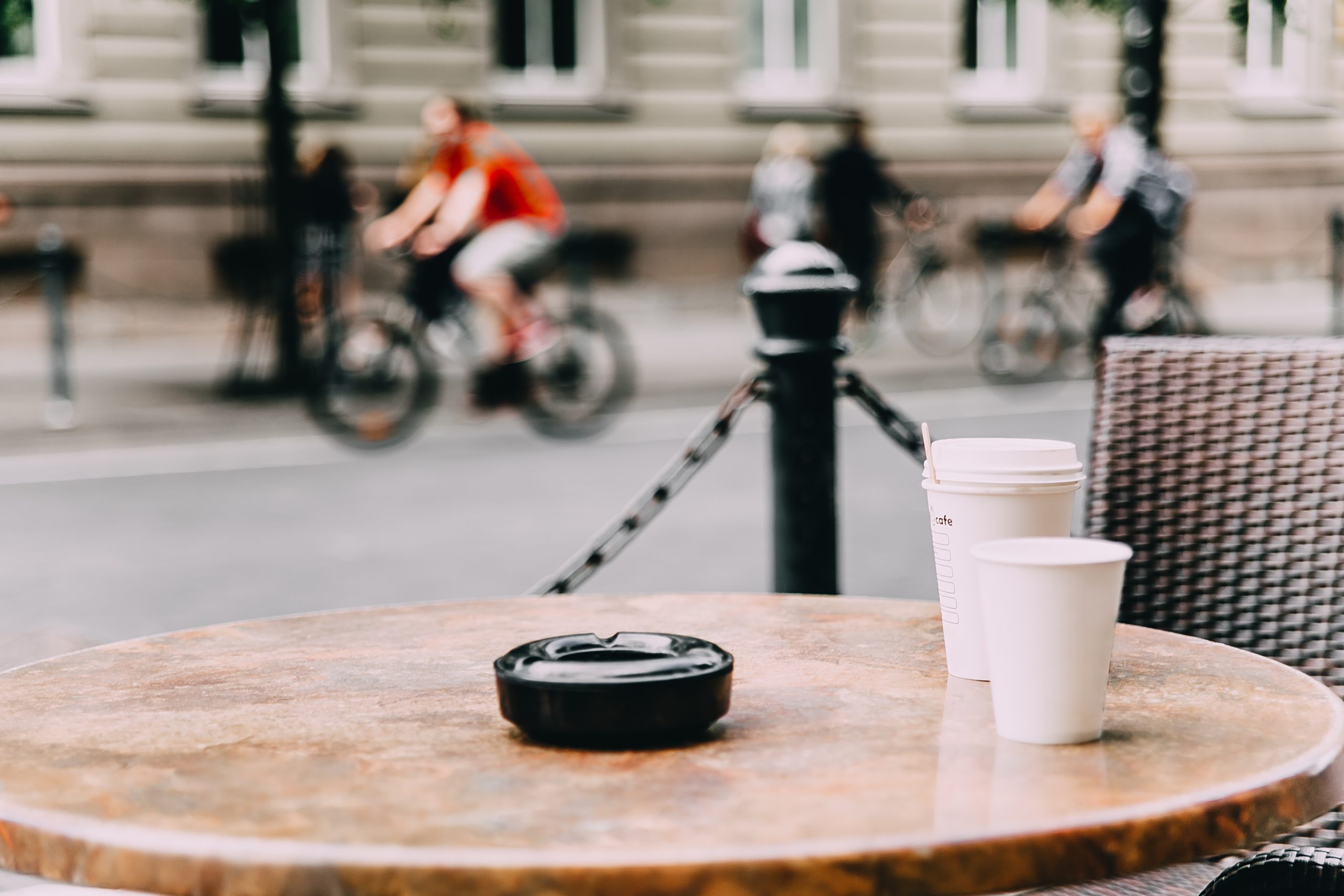
Cyclist taking a coffee and snack break

What Kind of Bike Is Best for the Capital Ring?

If you’re wondering whether your bike can handle the loop, here’s the lowdown:

Gravel bikes are your best friend for the Capital Ring cycling route. They are designed for mixed terrain and fast on tarmac but confident on trails.

Hybrids and mountain bikes also work great, especially if comfort and control are your priorities.

Road bikes can manage large parts, but you’ll feel every bump, gate, and patch of gravel. Bring your strongest tyres – and patience.

Capital Ring in a Day: Go Big or Go… Slowly

Doing the whole Capital Ring cycle route in a day is possible with an early start, good fitness, and a solid plan. Keep stops efficient and your navigation sharp. Alternatively, turn it into a weekend adventure with overnight breaks in leafy boroughs.

Don’t forget your lights. London’s sunsets can sneak up on you.

Getting Ready

TEAMMC cycles Moroccan-style cycling cafe

The Capital Ring cycling route is one of London’s best-kept two-wheeled secrets. You’ll get forest trails, historic landmarks, deer sightings, canal serenity, and a surprisingly countryside feel, all while technically staying in the city.

Before you set off, make sure your bike is in good shape. TEAMMC Cycles can help you with that. We offer full servicing, repairs, and part upgrades to get you road- (and gravel-) ready. And if you need a coffee before or after your ride, our Moroccan-inspired café serves up coffee classics, chai, and Karak coffee to keep the legs spinning. We’d love it if you came around to say hi.

Here’s to new loops, smooth rides, and just enough uphill to feel smug about.

🚴‍♂️ Happy Cycling! 🚴‍♀️

What Is a Gravel Bike? A Guide to Cycling’s Most Versatile Ride

If you’ve been around bikes (or bike people) recently, you’ve likely heard them talk about gravel bikes. But what is a gravel bike, really? Is it a road bike’s rugged cousin? A mountain bike in disguise? Or just a trend trying really hard to be cool?

Let’s break it down with clarity, facts and the occasional tyre pun.

Gravel bike on mixed terrain

So… What Is a Gravel Bike?

At its core, a gravel bike is the cycling world’s answer to commitment issues. Not sure whether you want to ride smooth tarmac or bumpy backroads? Gravel bikes are built for both. They’re designed to tackle mixed terrain like gravel tracks, forest paths, fire roads, towpaths, and regular tarmac roads.

What is a gravel bike? It’s a bike that doesn’t make you choose between adventure and efficiency. Think of it as the Swiss Army knife of bicycles: capable, adaptable, and surprisingly stylish.

What Is a Gravel Bike Good For?

Let’s start with where they truly shine. Gravel bikes are good for:

  • Long-distance mixed-surface rides: Think tarmac to gravel to woodland trail.
  • Commuting: Tougher tyres and better handling on dodgy roads, rogue potholes and devious glass traps.
  • Bikepacking adventures: Mounts galore for bags, racks, bottles – you name it.
  • Fitness riding: Solid for road speeds but can handle rough patches when you feel adventurous.

If your weekend plans include “going where the wind takes me” and possibly ending up in a muddy field with a grin on your face, a gravel bike might be your soulmate.

Gravel bike vs mountain bike vs road bike

What Is a Gravel Bike vs Hybrid?

Ah, the hybrid bike – like your favourite hoodie: comfy, versatile, but not performance-focused. Hybrids are great for city commuting and canal paths, but they’re not built for serious off-road riding or speedier road sections.

Gravel bikes, on the other hand, are performance-ready machines. They look more like road bikes (drop handlebars, faster frame geometry), but they’re beefed up with:

  • Bigger tyre clearance (usually up to 50mm)
  • Sturdier frames
  • More gears for climbing steep, gnarly paths
  • Mounting points for gear-hauling glory

So what is a gravel bike vs hybrid? A gravel bike is the hybrid’s athletic cousin who actually uses their gym membership.

What Is a Gravel Bike vs Mountain Bike?

Mountain bikes are designed for the wild stuff: technical trails, jumps, and rocky descents. They’ve got wide handlebars, flat geometry, and serious suspension.

Gravel bikes are better suited to less extreme off-roading. They have:

  • Drop bars for speed and aerodynamics
  • Lighter frames
  • Less aggressive tyres
  • Optional or no suspension

You can take a gravel bike off-road, as well as ride on the road to get off-road.

What Is the Difference Between a Gravel Bike and Road Bike?

This is one of the most common questions, and rightly so. They do look eerily similar.

Here’s the short version:

  • Tyres: Gravel bikes = wider, grippier. Road bikes = thin, speedy.
  • Geometry: Gravel = more relaxed for comfort. Road = aggressive for speed.
  • Versatility: Gravel = multiple surfaces. Road = tarmac only, please.
  • Comfort: Gravel = shock-absorbing. Road = hold onto your fillings.

In essence, what is the difference between a gravel bike and road bike? Gravel bikes go fast-ish everywhere. Road bikes go faster… but only on smooth roads and with clenched teeth.

rider in the mountains

Are Gravel Bikes Good for the Road?

Absolutely. Gravel bikes can hold their own on the tarmac. While they’re designed to excel off-road, they’re surprisingly capable (and comfortable) on paved surfaces, too. 

The slightly wider tyres and more relaxed geometry mean you might not be breaking any speed records, but you’ll definitely enjoy a smoother, more stable ride – especially on less-than-perfect roads. You won’t corner like a Tour de France racer, but you’ll barely notice potholes and questionable road surfaces. For commuters, casual road riders, or anyone mixing pavement and paths, a gravel bike offers a solid, versatile alternative without demanding a garage full of bikes.


TEAMMC workshop with gravel bikes

Are Gravel Bikes More Comfortable?

In a word: yes. (And yes again!)

Gravel bikes are built with comfort in mind. From wider tyres to relaxed geometry and even vibration-dampening seatposts, they’re designed for long hours in the saddle over imperfect terrain.

They won’t give you a recliner-style experience (we’re still cycling here), but compared to road bikes, they’re basically armchairs on wheels.

Do Gravel Bikes Have Suspension?

Not usually, but sometimes.

Most gravel bikes rely on tyre volume and frame compliance to absorb bumps. However, some models now come with suspension forks or suspension seatposts. 

The goal isn’t to compete with full-suspension mountain bikes, but to take the sting out of rougher rides. Think “subtle smoothing” rather than “bounce house”.

Why Gravel Bikes Are Big in the UK

Gravel bikes are basically tailor-made for British conditions:

  • Narrow country lanes
  • Bridleways and gravel paths
  • Ever-changing weather and terrain
  • A national obsession with the outdoors and tiny tearooms halfway through rides

They’re perfect for people who want adventure without needing an actual mountain nearby.

Gravel bike on a British lane

Is a Gravel Bike Right for You?

Still wondering what a gravel bike is? If you want one bike to rule them all (tarmac, trail, canal, cobbles) a gravel bike is calling your name. They’re versatile, fun, tough, and stylish. And if you ever get bored, just take a different path.

Gravel Fit For Purpose

At TEAMMC Cycles, we love all things two-wheeled – especially gravel. Whether you need a service, new tyres for your multi-terrain adventures, or components fitted for your next gravel epic, we’ve got you. And if you’re just gravel-curious? Pop in and have a chat. We’ll brew you a flat white, chai or karak coffee at our in-store café while we talk gears and gravel.

🚴‍♂️ Happy Cycling! 🚴‍♀️

What Bike Accessories Do You Need? Essential Gear for Safer, Smarter Rides

You’ve got your bike, your enthusiasm is high, and you’re ready to roll. But before you pedal off into the sunset (or the city), one question stands between you and a smoother ride: what bike accessories do you need?

Whether you’re a daily commuter, a weekend adventurer, or just getting into cycling, accessories can make a massive difference in safety, comfort, and performance. In this guide, we’ll break down the must-haves, the nice-to-haves, and everything in between.

Collection of essential bike accessories

1. The Absolute Essentials

These are the non-negotiables – the accessories every rider should have.

Helmet

Let’s start with the obvious. A good helmet can save your life. You’ll be glad to wear one when you need it. Look for models that meet safety certifications (like CE, CPSC or MIPS-rated helmets), fit snugly without being tight, and have good ventilation. Don’t buy second-hand. And replace yours after any major impact or after 3-5 years as the material degrades over time.

High-quality cycling helmet

Lights & Reflectors

Day or night, lights are a must. A bright front white light and a red rear light will keep you visible in traffic and under changing conditions. Reflectors on wheels and pedals add extra visibility, especially in urban environments.

Bike Lock

If you plan to leave your bike anywhere unattended, a sturdy lock is essential. D-locks (U-locks) are harder to break than cable locks. For high-theft areas, use a two-lock system, one for the frame, one for the wheels.

Pro Tip: For more anti-theft tips check out our blog How to prevent bike-theft.

Bell or Horn

Sometimes all it takes is a friendly ring to warn pedestrians or other riders. In some places, bells are required by law. Plus, they add a bit of old-school charm.

Pump and Repair Kit

Flat tyres happen. More often than we want, and at the most inconvenient times. Be ready with a portable pump, tyre levers, and a patch kit or spare inner tube to fix your puncture right there and then. CO2 inflators are compact and fast, but a mini hand pump won’t run out of gas.

Multi-tool

A cycling multi-tool is your pocket-sized workshop. With Allen keys, screwdrivers, and sometimes even chain tools, it’s perfect for mid-ride adjustments.

Bike repair kit with pump and tools

2. Comfort & Convenience Add-Ons

These bike accessories aren’t strictly necessary, but once you use them, you’ll wonder how you ever rode without them.

Mudguards (Fenders)

Riding anywhere in the UK? You’ll want mudguards. They keep your backside dry and your drivetrain cleaner, especially when the roads are wet.

Water Bottle & Cage

Hydration matters. A bottle cage mounted to your frame lets you sip on the go without stopping. Go for insulated bottles if you’re riding long distances.

Bike Rack or Panniers

If you use your bike for commuting or errands, ditch the backpack. Rear racks and panniers (saddle bags) make carrying gear easier and more comfortable.

Kickstand

Underrated but useful, especially if you commute or make frequent stops. No more awkward lean-against-a-wall balancing acts.

Phone Mount

If you use navigation or ride tracking apps, a handlebar phone mount lets you glance safely without juggling your device.

3. Maintenance & Safety Upgrades

Apart from ultra-necessary bike accessories you need, you’ll want to consider a few others. The longer and further you ride, the more you’ll appreciate these ones:

Chain Oil or Lube

A smooth chain is a happy chain. Regular lubrication keeps your drivetrain running efficiently and extends the life of your components.

Reflective Clothing & Gear

Especially useful in low-light or night conditions. Reflective ankle bands, jackets, and even bags and bag covers help ensure you’re seen from every angle. All traffic participants will thank you.

Handlebar Mirror

A rear-view mirror may not be the most stylish accessory, but it adds a layer of safety, especially in urban traffic.

Reflective cycling gear and accessories

4. High-Tech & Nice-to-Have Extras

Want to elevate your ride? These gadgets make cycling smarter and even more fun.

Cycling Computer or GPS

Track speed, distance, elevation, and route with a cycling computer or smartphone app. Great for training and goal-setting, but also ideal to just enjoy your ride, without constantly needing to check where you are.

Wireless Indicators

Handlebar-mounted turn signals or LED gloves improve your visibility and communication in traffic.

Portable Bike Stand

Perfect for at-home maintenance. Keep your bike upright and stable while cleaning or tweaking components.

Cycling Clothing

Not just for pros! Padded shorts improve comfort on longer rides, while moisture-wicking layers keep you dry. Waterproof jackets are a British cycling staple.

Cycling computer and gps

5. Custom Accessories for Different Riding Styles

Still wondering what bike accessories do you need? It depends on how you ride.

For Commuters:

  • High-quality lock
  • Mudguards
  • Rear rack or panniers
  • Reflective gear
  • Bell and lights

For Leisure Riders:

  • Comfortable saddle
  • Kickstand
  • Phone mount
  • Bottle cage

For Adventurers:

  • GPS or cycling computer
  • Multi-tool and repair kit
  • Puncture-resistant tyres
  • Handlebar bag for snacks and maps

Each rider’s needs are different. Some accessories improve your safety. Others improve your convenience. All of them definitely make your rides more enjoyable.

6. Don’t Forget the Human Factor: Fit and Comfort

It’s not just about gear. It’s about the ride experience. Accessories like ergonomic grips, gel saddles, or handlebar extenders can reduce strain and improve comfort. If you’re clocking long miles, investing in gear that fits your body is worth every penny.

Even your choice of gloves can change a ride from “meh” to “absolutely marvellous.”

7. TEAMMC’s Take: Gear Up with Purpose

Still unsure what bike accessories do you need for your riding style? That’s where we come in.

At TEAMMC Cycles, we service bikes, fit components, and help you find the right accessories to suit your riding life. Whether you need new lights, mudguards, or a repair kit, our team can help you gear up so you can fully enjoy your ride.

Drop by our Moroccan-themed cycle café in Whitechapel and browse some useful accessories. Fuel up before or after your ride with a flat white, spiced chai, or a cup of our famous karak coffee. Good gear. Good community. Good coffee.

TEAMMC cycle shop

8. Final Thoughts

So, what bike accessories do you need? At minimum: lights, helmet, lock, and repair tools. For added comfort and performance, layer in gear tailored to your ride type. For everything else, let curiosity and experience guide you.

The right accessories won’t just make your ride safer, they’ll make it more fun, more efficient, and more “you.”

So suit up, ride safe, and if you’re in the area, swing by TEAMMC Cycles and say hi. We’d love to hear about your next cycling adventure.

🚴‍♂️ Happy Cycling! 🚴‍♀️

Is Bike Riding a Good Workout? Pedal Power for Fitness, Fun, and Everything in Between The Joy (and Sweat) of Two Wheels

There’s something timeless about riding a bike. Maybe it reminds you of cruising the neighbourhood as a kid or maybe you’ve rediscovered it during your commute or weekend adventures. But beyond the nostalgia and breezy Instagram posts, one question keeps popping up: Is bike riding a good workout? The short answer? Absolutely. The long answer? Let’s break it down.

Happy cyclist enjoying a ride outdoors

Cardio King: Cycling for Heart & Lung Health

If there’s one thing cycling does well, it’s getting your heart pumping. In a good way. As a form of aerobic exercise, regular cycling helps strengthen your heart, lungs, and circulation. It can lower your resting heart rate, improve your Vo2 max (that’s a fancy way of saying how well your body uses oxygen), and reduce the risk of cardiovascular disease.

Unlike high-impact exercises like running, cycling is kind to your joints while still delivering the cardio goods. This makes it ideal for anyone recovering from injury, easing back into fitness, or just wanting a gentler but effective way to stay healthy. Ask any health expert if bike riding is a good workout and chances are they’ll nod enthusiastically while pointing to your heart rate monitor.

Is bike riding a good workout?

Strength in Motion: Muscles You Work on a Bike

Cycling isn’t just about cardio. It’s also a stealthy strength workout, especially for your lower body. Every pedal stroke engages your quadriceps, hamstrings, glutes, and calves.

You hate those uphill climbs? Join the club. But those are whole-body-enablers. If you ride out of the saddle (a.k.a. stand up while climbing), you’ll also activate your core and upper body.

Even better, cycling builds muscular endurance. You may not bulk up like a bodybuilder, but you’ll definitely notice more power in your legs, better balance, and more toned muscles over time. It’s basically a mobile leg press – just with better scenery. Another reason why when people ask, is bike riding a good workout?, the answer leans strongly toward yes.

Is Bike Riding a Good Workout for your mood

Burning Calories Without the Boredom

Let’s talk numbers. Depending on your speed, intensity, and body weight, cycling can burn anywhere from 300 to 800+ calories per hour. That’s a serious dent in your daily energy balance, especially if you’re looking to lose weight or maintain fitness.

But unlike staring at a treadmill screen, cycling gives you a constant stream of new sights and sounds. You’re working hard, but you’re also exploring, socialising, or just soaking up the view. It makes it feel less like a slog – and easier to stick with. Ask yourself, is bike riding a good workout if it makes you smile while sweating? Absolutely.

Mental Health Boosts: Endorphins on the Move

Cycling doesn’t just benefit your body. It gives your brain a well-earned break, too. Like all aerobic exercises, it stimulates endorphins, the body’s feel-good chemicals. You get that post-ride glow that says, “I did something good for myself.”

And because it often takes place outside, you also benefit from an extra dose of daylight and nature, both of which are linked to improved mood, better sleep, and reduced anxiety. It’s two-wheel therapy.

socialising when cycling

Immune System and Sleep Support

Bike riding can also support your immune health. Moderate, consistent aerobic activity like cycling has been shown to enhance immune cell circulation, making it easier for your body to fight off illness. It’s a workout that doesn’t just protect your heart. It helps guard against the seasonal sniffles too.

And let’s not forget your sleep. People who engage in regular aerobic exercise, including cycling, often report deeper and more restful sleep. So if you’re tossing and turning at night, it might be time to trade your after-work doomscroll for a brisk evening ride.

Can Anyone Get Fit by Cycling? (Spoiler: Yes)

Whether you’re 16 or 60, bike riding can help you get fit. Beginners can start with short, flat routes and gradually build up. Seasoned riders can tackle longer distances, hill climbs, or interval training.

And you don’t need expensive gear to get started. A basic bike, a helmet, and a sense of adventure are enough. Lycra is optional (but highly breathable). Even if you haven’t been active for a while, cycling is a low-barrier way to reintroduce movement into your routine.

So next time someone asks, is bike riding a good workout, you can confidently reply: “Yes, and it’s the most fun I’ve had getting sweaty in public.”

Is bike riding a good workout

Is It Enough on Its Own? Combine or Cross-Train?

Cycling is a fantastic all-rounder. But like any workout, it has its limits. If you’re aiming for total-body strength or improved flexibility, pairing it with bodyweight exercises or stretching is a smart move.  (Check out our blog “Workout Routines for Cyclists”.)

Still, for general cardiovascular health, improved endurance, leg strength, and mental wellbeing, cycling can definitely carry the bulk of your fitness routine. And unlike some workouts, it’s one you might actually look forward to.

TEAMMC’s Take: Ride with Us & Feel the Difference

At TEAMMC, we believe cycling is more than just fitness. It’s freedom, friendship, and fun. That’s why we run regular rides for all levels, from casual spins around the city to countryside day trips and longer challenges.

Need help getting your bike ride-ready? We refurbish, service, and even fit new components to make sure your wheels are good to go. Our Moroccan-themed cafe in Whitechapel is the perfect place to fuel up before or after a ride, serving up coffee classics, spiced chai, and our beloved karak.

TEAMMC group cycling event

Join us, get fit, and ride with purpose. Because life’s better on two wheels. And now you know the answer to is bike riding a good workout – it’s a big, resounding yes.

🚴‍♂️ Happy Cycling! 🚴‍♀️

Difference Between Men and Women Bikes: What Actually Matters?

Walk into any bike shop or scroll through an online catalogue, and you’ll likely see bikes labelled “men’s” and “women’s.” But beyond the paint jobs and colour schemes, what’s the actual difference? Are these categories rooted in genuine ergonomic design or just outdated marketing?

In this post, we’ll unpack the real difference between men’s and women’s bikes, from frame geometry and saddles to components and riding style. Most importantly, we’ll help you understand what to look for so you can choose a bike that fits you, not just your gender label.

Comparison of men's and women's bike designs

1. Frame Size & Geometry: The Foundation

Let’s start with the basics: the bike fit. Statistically, women tend to have shorter torsos and longer legs compared to men of the same height. This anatomical difference has influenced how some women-specific bikes are designed. Frames often have shorter top tubes and taller head tubes to bring the handlebars closer and create a more upright riding position.

However, this isn’t universal, of course. Many men also benefit from these adjustments depending on body proportions. The modern cycling industry has moved toward offering a broader range of frame sizes, often labelled unisex, to suit all riders.

Pro Tip: Rather than focusing on whether a bike is for men or women, focus on your stack (the height of the front end) and reach (the distance to the handlebars). These dimensions are key for your comfort and control on the bike, and they vary from person to person.

the saddle matters

2. Saddle Talk: It’s Not Just About Cushioning

Ah, the saddle. Arguably the most personal – and occasionally most torturous – difference between men and women bikes. It’s where comfort makes or breaks your ride… and sometimes your mood.

Women-specific saddles are usually wider at the back to accommodate broader sit bones, with a shorter nose to reduce pressure. Men’s saddles, on the other hand, are often narrower and longer – kind of like choosing between a comfy armchair and a racing stool. Some saddles even have pressure-relief cutouts, thoughtfully designed to prevent that awkward mid-ride numbness no one wants to talk about.

But here’s the kicker: gender isn’t the whole story. Your saddle soulmate depends more on your unique anatomy, riding position, and how bendy you are (or aren’t). Some women swear by men’s saddles, and some men find women’s saddles a dream. Try a few before committing – your bum will thank you!

Comparison of men's and women's bike bike frames

3. Components That Make a Difference

Beyond frame geometry, certain components are sometimes tailored in women-specific models – but again, comfort and control are personal.

Handlebars on ladies’ bikes are generally narrower to match women’s smaller shoulder widths. However, riders of all genders come in all shapes and sizes. Some men with narrow shoulders may prefer a “women’s” handlebar, while tall women with broad shoulders may opt for a “men’s” width. It’s all just a label after all.

Stems, the component connecting the handlebars to the frame, may be shorter on women’s bikes to bring the bars closer and reduce reach. Anyone with a shorter torso or who prefers a more upright ride would appreciate that.

Crank arms are sometimes shorter to match leg length, which improves pedalling efficiency.

And brake levers on women’s bikes might be adjusted for smaller hands, providing easier reach and control.

The good news? These are all adjustable or replaceable. No matter what bike you have or buy, you can fine-tune the components to suit your own body type and preferences.

4. Step-Through vs Diamond Frames: Style or Function?

So what about the difference between men and women bike frames? Step-through frames (those with a low or missing top tube) have long been associated with women’s bikes – originally to keep things modest when cycling in long skirts. Thankfully, today’s riders are less concerned about flashing ankle and more about practicality. These frames are a win for anyone who wants easy mounting and dismounting, whether you’re in a skirt, skinny jeans, or just avoiding an awkward ballet move getting off your bike.

Diamond or crossbar frames (the typical “men’s” design) are often lighter and stiffer, which can boost performance. But let’s be honest – bikes don’t check IDs. Choose the frame that suits your ride, not your wardrobe.

Comparison of step-through and diamond bike frames

5. Suspension & Wheels: The Lighter Touch

Suspension forks and shocks on women’s bikes are often tuned for lighter rider weights, offering a smoother ride without sacrificing control. That can be a bonus if you’re on the lighter side, regardless of gender.

Wheel size, however, is less about gender and more about the specific bike type you’re riding. Road bikes typically come with 700c wheels, while mountain and hybrid bikes might vary. Tyre width can affect comfort, so choose based on the terrain you ride most, not the gender label.

6. Riding Style & Position: Choose Your Comfort Zone

Women’s bikes are often designed to encourage a more upright riding position, which feels natural for casual riders or commuters, perfect for soaking in the scenery or checking out café menus en route. Men’s bikes tend to lean toward a more aggressive geometry for speed and aerodynamics, ideal if you’re racing the wind (or your mate to the top of a hill).

But again, this comes down to personal preference and intended use. If you enjoy long, leisurely rides, upright is great. If you’re training for a race, a lower position may help you cut through the wind. Try different styles and listen to your body.

Comparison of upright and aggressive riding positions

7. Can Women Ride Men’s Bikes? And Vice Versa?

Absolutely. There’s nothing biologically preventing a woman from riding a man’s bike or a man from loving a women-specific model. The labels are there for guidance, not rules. Many women find they fit better on a so-called men’s frame with a few tweaks. Likewise, many men opt for step-through or women’s bikes for comfort or practicality. Fit, function, and fun matter far more than the sticker on the frame.

8. Final Thoughts: Ignore the Label, Prioritise the Fit

So, is there a difference between men and women bikes? Technically, yes – in terms of sizing, component spec, and geometry. But these differences are meant to serve general averages, not strict rules.

The smartest way to buy a bike? Focus on how it feels, how it rides, and whether it supports your goals. Comfort, control, and confidence are gender-neutral. Forget about the label.

teammc cycles bike rides

Ride Better with TEAMMC Cycles

At TEAMMC Cycles, we believe the right bike is the one that fits your body and your lifestyle, not a label. We offer bike servicing and can fit or replace saddles, stems, handlebars, and other components to match your needs and make you more comfortable on your bike. Whether you’re adapting an existing bike or building your dream setup, visit us at our Whitechapel workshop – we’ll help you ride better, longer, and happier.

🚴‍♂️ Happy Cycling! 🚴‍♀️

15 Health Benefits of Cycling as Exercise: More Than Just a Workout

Let’s be honest. Exercise can feel like a chore sometimes. The gym smells weird, running is hard on the knees, and don’t even get us started on burpees. But cycling? That’s a whole different ball game.

Whether you’re riding to work, cruising around the park, or tackling some steep hills, cycling ticks a lot of boxes when it comes to your health. It’s fun, practical, and surprisingly powerful when it comes to improving both your body and mind.

In this blog, we’ll explore not just the obvious health benefits of cycling as exercise, but also a few lesser-known perks that might just make you want to dust off that old bike in the shed. Let’s roll.

Happy cyclists riding through nature

The Commonly Known Health Benefits of Cycling

1. Cardiovascular Fitness

One of the most widely known benefits of cycling is how it strengthens your cardiovascular system. Regular rides help lower your resting heart rate, reduce blood pressure, and decrease the risk of heart disease. A happy heart is the foundation of a happy life. Not sure who said it or when, but they had a point.

2. Builds Muscle & Burns Calories

Cycling works your lower body like nothing else. We’re talking quads, hamstrings, calves, and glutes – all firing together to get you up those hills (or at least to the top without too many breaks). Plus, it’s a fantastic way to burn calories, so if you’re looking to lose or manage weight, cycling is your new best mate.

3. Joint-Friendly Exercise

Unlike running, cycling is low-impact, which means it’s gentle on your joints – ideal if you’ve got dodgy knees or are bouncing back from injury. It’s a sustainable form of exercise that you can enjoy well into your golden years without punishing your body.

4. Mental Clarity

Feeling stressed? A bike ride can do wonders. Cycling boosts endorphins, helps manage anxiety, and can even ease symptoms of depression. It’s hard to feel down when the wind’s in your face and there’s a nice café just around the corner.

5. Balance and Coordination

It may not seem like it, but every time you ride, you’re training your balance and core strength. This becomes increasingly important as we age – staying upright is a skill worth keeping!

Health benefits of cycling as exercise

The Lesser-Known Health Benefits of Cycling as Exercise

6. Activates Specific Muscle Groups You Might Not Expect

Yes, cycling is a leg-dominant workout, but your core, back, shoulders, and even arms are involved too. Especially when you’re climbing hills, standing in the pedals, or keeping stable on bumpy paths. Your hip flexors and stabilisers also get a nice workout, helping with posture and injury prevention.

7. Improves Motor Skills and Reaction Time

Navigating roads, shifting gears, dodging potholes – it all sharpens your coordination and reaction time. This is particularly valuable for kids developing motor skills and older adults looking to keep theirs sharp.

8. Hormonal Harmony

Regular cycling helps regulate stress hormones like cortisol, while boosting dopamine, serotonin, and endorphins, the feel-good chemicals that support mood, motivation, and even pain relief. These hormonal shifts don’t just make you feel better; they can also strengthen your immune system, making you more resilient to everyday bugs and burnout. Plus, cycling promotes deeper, more restorative sleep, so you wake up feeling genuinely refreshed, not just slightly less tired than yesterday.

9. Boost Your Brain Function

Increased blood flow and oxygen to the brain during cycling can sharpen focus, improve memory, and even help reduce the risk of cognitive decline later in life. Suffer from brain fog? Cycling could help elevate this. It’s like Sudoku, but with a helmet.

10. Boosts Creativity and Problem-Solving

Speaking of brain function: Ever notice how ideas magically appear mid-ride? Cycling, especially in nature, puts your brain in a relaxed, meditative state, which can spark creativity and help solve problems that felt impossible an hour earlier. Einstein allegedly thought up the theory of relativity while riding a bike. Not bad, right?

Cyclist with thought bubbles showing creative ideas

11. Promotes Better Sleep

Studies have shown that regular cyclists tend to fall asleep faster and enjoy deeper, more restorative sleep. Just don’t go for a high-intensity ride right before bed – it might take you a while to calm down and rest.

12. Encourages Healthy Habits

People who cycle regularly tend to make other positive lifestyle choices too. Think of better eating, staying hydrated, taking more time outdoors, or a regular check-up at the GP. It’s a positive domino effect with you at the wheel.

13. Increases Mindfulness

When you’re pedalling, especially on scenic routes, it’s easier to slip into the present moment. The rhythm, the scenery, the focus on the road – it all adds up to a kind of moving meditation.

14. Social Gains and Community Spirit

Cycling isn’t just a solo sport. It’s a brilliant way to meet people, join clubs, spend time with friends and feel part of something bigger. Riding in a group encourages consistency, builds friendships, and – let’s face it – is way more fun.

benefits of cycling

15. Reduces Environmental Stress

Trading your car for a bike helps reduce your carbon footprint and puts you in closer touch with your environment. Riding through a park or along a river is miles more calming than sitting in traffic. (Plus, no petrol costs or congestion charge – your wallet will be healthier too!)

Ride With Us: Experience the Benefits First-Hand

At TEAMMC Cycles, we believe cycling should be fun, accessible, and shared. That’s why we organise a variety of group rides to suit all levels – from weekly ride-outs around London to day rides in the countryside and even longer cycling challenges for those looking to push their limits (and maybe their quads).

Whether you’re a total beginner or seasoned pedal-pusher, our rides are a chance to boost your health, meet great people, and explore new places on two wheels. No pressure, no fancy kit needed – just a bike, a bit of enthusiasm, and maybe a snack or two.

Come along, bring a friend, or make some new ones on the road. Check our website or socials for upcoming rides. We’d love to see you there!
TEAMMC group cycling event

Final Thoughts

Cycling is so much more than just a way to stay fit. It’s a lifestyle that improves your body, lifts your mood, and opens up a world of connections. Whether you’re riding for health, happiness, or just a really good view, one thing’s clear: two wheels can take you further than you think.

So what are you waiting for? Grab a bike, join a TEAMMC Cycles ride, and start pedalling your way to better health – and maybe even some new mates along the way.

🚴‍♂️ Happy Cycling! 🚴‍♀️

Coffee Before Cycling: Does Coffee Give You Energy?

You’ve probably seen it – cyclists gathered outside a café, Lycra-clad, hands wrapped around a warm flat white, bikes propped up like loyal steeds. There’s a reason this ritual is so popular. But does coffee give you energy for real, or is it just a comforting pre-ride placebo? Let’s grind down to the facts. We’ll explore the science, the energy perks, and why TEAMMC Cycles serves up more than just a caffeine kick at our Moroccan-themed café in Whitechapel.

Cyclists enjoying coffee outside a cafe

The Science of Coffee and Energy

Let’s start with what happens when you sip that sweet, sweet brew. Coffee contains caffeine, a stimulant that works mainly by blocking a neurotransmitter called adenosine. Adenosine is what tells your brain it’s tired – kind of like when your mum told you to go to bed just as things were getting fun. That’s why the answer to “can coffee boost energy?” is a resounding yes – at least for most of us. When caffeine steps in, your brain stays alert longer, and you feel more energised.

Caffeine also boosts dopamine and adrenaline levels, increasing focus and even helping your muscles contract more efficiently. All of this together leads to that unmistakable sense of mental clarity and physical readiness. That said, people metabolise caffeine differently, so while one rider feels invincible after a double espresso, another might end up vibrating mid-ride.

Caffeine absorption peaks around 30 to 60 minutes after consumption, which is why many riders time their coffee intake just before hitting the road. And while tolerance can build up with regular use, occasional or strategic use can offer powerful effects.

Coffee Before Cycling: Energy Boost or Jittery Mistake?

Here’s where things get interesting for cyclists. Studies have shown that caffeine can improve endurance, delay fatigue, and even reduce perceived exertion. That’s a fancy way of saying, “you can ride harder and feel like you’re coasting.” For many, a moderate amount of coffee 30 – 60 minutes before hopping on the saddle gives just the right lift.

Cyclist pushing hard on a hill climb

And it’s not just in your head. Cyclists who consume caffeine pre-ride often perform better on time trials, hill climbs, and long-distance routes. It can help with fat oxidation too, meaning your body taps into fat reserves for fuel more efficiently – great for those trying to boost stamina or ride lean.

Some studies have even suggested that caffeine can improve reaction times and coordination – handy when dodging potholes or navigating tight turns on urban rides.

But again, moderation is key. Too much caffeine and you risk dehydration or the dreaded mid-ride loo emergency. Excess caffeine can also cause jitters and an increased heart rate. Most research suggests that around 3 mg of caffeine per kilogram of body weight is ideal – roughly one strong coffee for an average adult.

The Ritual: Coffee, Community & Cycling Culture

Coffee and cycling aren’t just about your best effort. There’s something deeply social and restorative about sharing a warm drink before, during or after a ride. It’s the pause between pedal strokes, the chance to laugh at the route that felt uphill both ways.

Does Coffee Give You Energy

Cafes have become unofficial checkpoints for weekend warriors and weekday commuters alike. They’re hubs of community, places where rides start and end, and stories are swapped with a side of a granola bar or crodough.

At TEAMMC Cycles, we’ve embraced this culture with our Moroccan-themed café in Whitechapel, London. Alongside all the classics (espressos, cappuccinos, lattes), we also serve spiced chai and our beloved karak coffee – a sweet, strong blend with cardamom that’s as energising as it is unique. It’s more than fuel; it’s community in a cup. And with all profits going to charity, you get to support good causes while sipping the good stuff.

Should You Have Coffee Before Cycling?

Caffeine isn’t a magic bullet, and it’s not for everyone. If you’re cycling at night or you’re sensitive to stimulants, it might be best to skip your shot of espresso and opt for something gentler. But for early-morning rides, longer routes, or training sessions where you need that edge, a pre-ride coffee can make a noticeable difference.

coffee before cycling?

One thing to keep in mind is hydration. Caffeine is a mild diuretic, so pair your coffee with a glass of water to stay properly hydrated. Also, avoid sugary coffee drinks before rides – they might give a quick spike in energy, but the crash can be rough.

The key is to test what works for you. Some riders swear by black coffee before a hill climb; others prefer a chai post-ride as a reward. Try it out on your next ride and see how your body responds.

Final Verdict: So… Does Coffee Give You Energy?

So, can coffee boost energy? Short answer: Yes. Coffee gives you both mental and physical energy by stimulating your central nervous system, increasing focus, and helping your body work more efficiently. It’s not just a warm comfort drink – it can be a legitimate part of your performance toolkit.

Does Coffee Give You Energy when cycling

Longer answer? Coffee before cycling is as much about joy and routine as it is about science. And with the right balance, coffee can boost your energy, especially when it involves a good brew, good company, and maybe a karak or two.

Ride Out with TEAMMC and Share the Buzz

If you’re curious to see how coffee can fit into your cycling journey, why not join us for one of our weekly ride-outs or day rides into the countryside? You’ll meet fellow cyclists, enjoy a great cup of coffee (or two), and maybe even discover your new favourite pre-ride ritual. Whether you’re training for a big event or just fancy a scenic spin and a chat, we’ve got a space for you.

TEAMMC cyclists on a group ride

Drop by our café in Whitechapel, grab a cup, and let’s ride – because cycling is better when shared, and coffee just makes everything better.

🚴‍♂️ Happy Cycling! 🚴‍♀️

What Type of Bike Should I Get? A Beginner’s Guide to Different Types of Bikes

So you’ve decided to get into cycling – brilliant move! Whether you’re chasing fitness goals, planning to escape public transport, or just want to cruise the park with style, there’s a perfect bike out there for you.

But with all the choices out there, you might be wondering: What type of bike should I get?

Well, you’ve arrived in the right place. Let’s break it down in bite sizes, even if the last bike you rode had tassels on the handlebars.

Start with This: Where Will You Be Riding?

Before we dive into the different types of bikes, take a minute to think about how and where you’ll be riding. The right bike for you depends on the terrain you’ll be cycling in, your goals, and, let’s be honest, how much mud you’re okay with cleaning off your shoes.

Urban cycling

Here are a few common scenarios:

  • Commuting to work or school? → You’ll want something speedy, reliable, and comfortable.
  • Exploring muddy trails and steep hills? → You’re gonna need grip, gears, and guts (a mountain bike might help too).
  • Weekend rides in the park or local neighbourhood? → A hybrid or cruiser might be your best mate.
  • Dreaming of a Tour de France debut? → Okay, easy tiger. But a road bike could be the start.

As you can see, answering What type of bike should I get? starts with figuring out what kind of cycling adventure you’re after.

Different Types of Bikes (and Why You’d Want Them)

Let’s meet the contenders. Here are the most common and popular types of bikes you’ll see on the roads, trails, and cycle paths.

Different types of bikes

1. Road Bikes

These are your classic sleek machines. Built for speed and distance on smooth pavement, road bikes are ideal if you’re commuting long distances or getting into cycling for fitness.

  • Pros: Fast, lightweight, great for endurance rides.
  • Cons: Thin tires = no good for rough surfaces. Not the comfiest for casual rides.
  • Best for: Speed demons, commuters, cardio lovers.

2. Mountain Bikes (MTBs)

Made for off-road chaos and adrenaline junkies. Thick tires, suspension, and a frame that can handle bumps and drops make these beasts perfect for trails.

  • Pros: Tough, stable, very good grip.
  • Cons: Heavier and slower on roads.
  • Best for: Trail lovers, forest explorers, and people who think “uphill” is a fun challenge.

3. Hybrid Bikes

Ah, the great middle ground. Hybrids combine elements of road and mountain bikes, making them super versatile.

  • Pros: Comfortable upright riding position, good for a bit of everything, lighter than a mountain bike.
  • Cons: Not as specialised for rough terrain or racing.
  • Best for: Commuters, new riders, weekend warriors.

4. Gravel / Adventure Bikes

Gravel bikes are for people who want to ride everywhere. They handle road, dirt, and everything in between.

  • Pros: Durable, drop handlebars for longer rides, can carry gear.
  • Cons: Pricier than hybrids, may not be necessary if you stick to paved paths.
  • Best for: Adventurous types, weekend bike packers, countryside riders.

5. BMX & Trick Bikes

Small, nimble, and made for stunts. If you’re more likely to be at a skatepark than on a cycle path, this one’s for you.

  • Pros: Light, durable, loads of fun.
  • Cons: Not built for distance or comfort.
  • Best for: Teens, tricksters, and the fearless.

6. Electric Bikes (E-Bikes)

These bikes give your legs a little help with an electric motor – no shame in needing or wanting a boost.

  • Pros: Makes cycling more accessible, great for long commutes.
  • Cons: Heavier, more expensive, need charging.
  • Best for: Longer commutes, senior riders, or those getting back into cycling.

7. Kids’ & Youth Bikes

Safety, size, and fun are key here. Look for adjustable seats, simple brakes, and cool colours that’ll get them excited to ride. (Also: helmets. Always helmets!)

Each of these different types of bikes speaks to a different riding style. And knowing them can help you narrow down to figure out what type of bike you should get.

Don’t Forget: Size Does Matter

Let’s talk about something that can make or break your riding experience: the fit of your bike. Getting the right size bike isn’t just about comfort, it’s about safety, control, and how much fun you’ll actually have.

Bike size matters when it comes to What type of bike should I get

Imagine riding a bike that’s too small: your knees are cramped, your back’s hunched, and every bump feels like a personal attack. Too big, and you’re stretching to steer, wobbling at every stop, and risking circus-level dismounts. Neither is ideal.

The right fit comes down to a few things: your height, your leg length, and your riding position. When you’re standing over the bike with both feet flat on the ground, you should have a bit of clearance between you and the top tube – not so much you feel like you’re on a clown bike, but not so little that hopping off is a high-stakes event. Once you’re seated, your leg should have a slight bend at the bottom of each pedal stroke. If your knees are fully locked out, the seat’s too high; if they barely move, it’s too low. Meanwhile, the reach to your handlebars should feel natural: your elbows should have a soft bend, and you shouldn’t feel like you’re leaning into a yoga pose just to steer. When it all lines up, riding becomes smooth, efficient, and way more enjoyable.

Where to Buy or Try a Bike

Okay, now you know the basics. But where do you actually get a bike?

Many bike shops offer different types of bikes for various needs. Here at TEAMMC Cycles in Whitechapel, London, we fix up and sell second-hand bikes at affordable prices. It’s a sustainable, budget-friendly way to ride, and all profits go to charity supporting vulnerable communities.

Bike shop

Whether you’re looking for a hybrid, a mountain bike, or something for your teenager, pop by and see what’s in stock. You might find your new best (two-wheeled) friend. And if you’re unsure, we’ll talk you through it – minus the jargon.

So… What Type of Bike Should You Get?

Let’s sum it up:

  • Choose based on where and how you’ll ride.
  • Learn about the different types of bikes so you’re not overwhelmed and can make the right decision.
  • Get the right size for comfort and safety.
  • Don’t feel like you have to buy new. Check out community bike shops (hi!) or refurbished options.

At the end of the day, the best bike is the one you actually ride. Don’t overthink it. Don’t worry about what everyone else is doing. Pick something that makes you feel excited to get outside.

And hey, if your bike ends up covered in mud, that’s not a problem – that’s a badge of honour.

Ready to roll?

Stop by our London Whitechapel HQ to see our latest bikes. We’re here to help you pedal forward, one ride at a time.

🚴‍♂️ Happy Cycling! 🚴‍♀️